If you’ve been lifting for a while, your shoulders probably don’t move the way they used to.
Overhead pressing feels off. Reaching behind your back is a struggle.
There’s a handful of exercises you just quietly stopped doing because something always pinches or feels tight.
Most people write this off as age. Sometimes that’s part of it. But more often, it’s not age…it’s how you’ve been training.
I’ve been coaching strength for over 20 years, and I’ve watched this happen to hundreds of lifters.
I’ve lived it myself. You build bigger muscles, you move heavier weight, and somewhere along the way your shoulders quietly lose range you didn’t notice going.
It’s not that strength training is the problem. It’s that most strength training is incomplete.
Your body only gets good at what you actually practise
Look at a typical program:
Bench press. Shoulder press. Pull-ups. Rows.
Good exercises… I still use all of them.
But they share something in common: the weight moves in a predictable line, usually straight up, down, forward or back, and usually with both arms doing the same thing at the same time.
Your shoulder isn’t built for that alone. It’s a ball-and-socket joint. It’s meant to rotate, circle, reach behind you, overhead, across your body… dozens of positions most programs never touch.
Train the same handful of patterns for years and your body gets very efficient at exactly those patterns… and not much else. You end up strong within a shrinking window of motion.
That’s how a guy benching 140kg can’t comfortably scratch the middle of his own back. His shoulder isn’t weak. It’s just never been asked to do anything else.
Compression isn’t the villain here
Squats, presses, deadlifts… all of that loads the joint in a straight line, and that’s fine. That’s literally how you build bone density and resilient tissue.
I’m not telling you to stop.
The problem shows up when straight-line, compression-heavy training is basically all you do, in the same narrow ranges, rep after rep, year after year.
Your shoulder gets brilliant at handling the positions it already knows.
It never has to stabilise against a load that’s shifting, changing direction, or coming from an angle it’s not used to… because barbells and machines don’t really do that.
A barbell follows the same path every rep.
Dumbbells give you a bit more freedom, but the weight itself never moves on its own.
Predictable load builds strength. It just doesn’t teach your shoulder to cope with anything unpredictable.
You can be strong and still be stiff. I see it constantly.
Why stretching alone doesn’t fix it
The usual fix people reach for: a few stretches, a hang off the bar, a couple of band pull-aparts before training.
None of that’s wrong. It can genuinely help. But if that’s the whole plan, the relief rarely sticks.
Here’s why… you spend an hour grooving the same tight movement patterns, then try to undo it with five minutes of stretching afterward.
That’s like driving through a muddy paddock every day and expecting a quick hose-down to keep the car clean. It’s not going to hold.
Stretching shows your shoulder a position exists. It doesn’t teach the shoulder to control that position, or produce any force there.
And a range you can’t control under load is a range your body will eventually stop bothering to keep.
So flexibility on its own isn’t the goal. Range, control, and force together… that’s what actually sticks. That’s the whole idea behind what I call 3D strength.
Give your shoulders the movement they were actually built for
Shoulders need more than pressing and pulling. They need to rotate, circle, and stabilise while the load itself is moving.
Think about throwing or striking… force doesn’t travel in a straight line there either. It comes up through the feet, hips, torso, and out through the shoulder and hand. It’s a chain, not a piston.
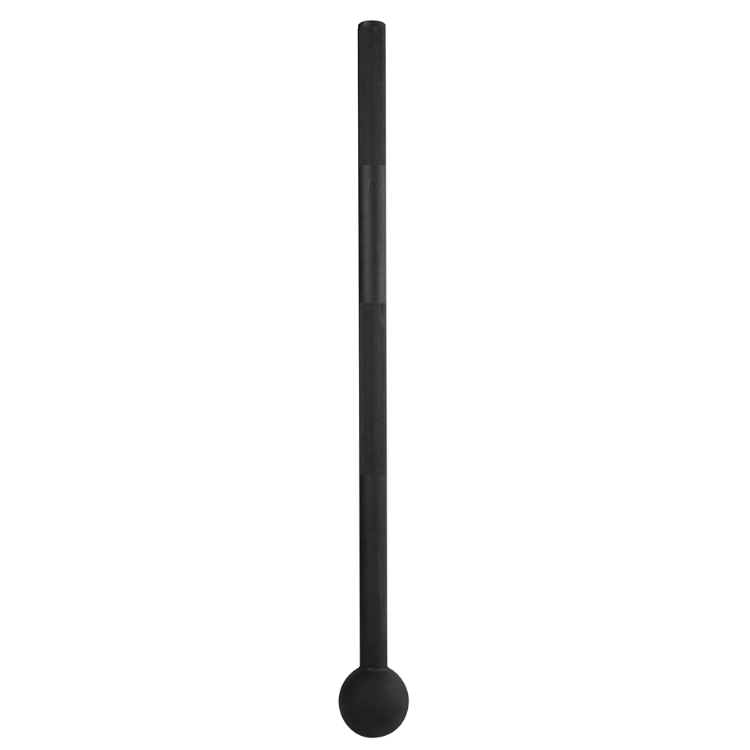
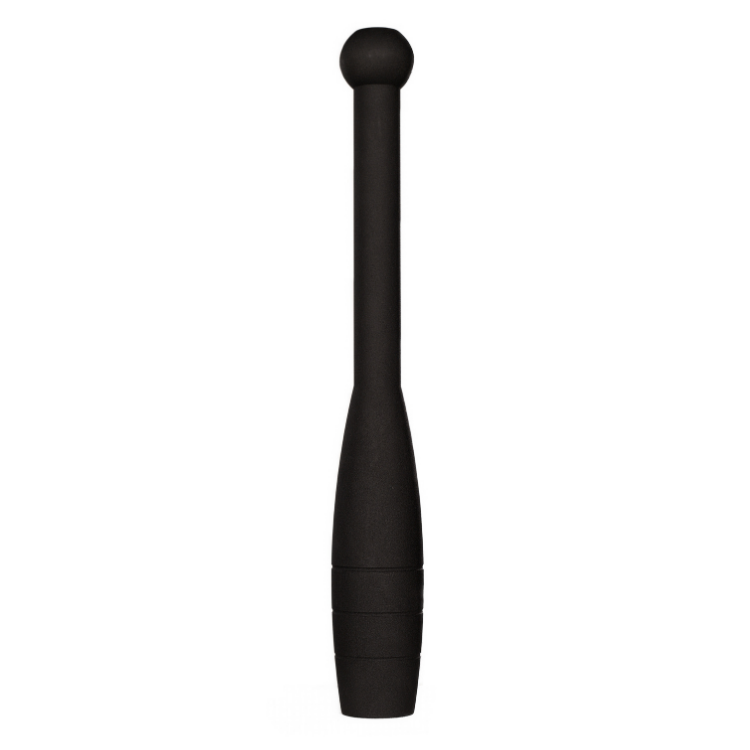
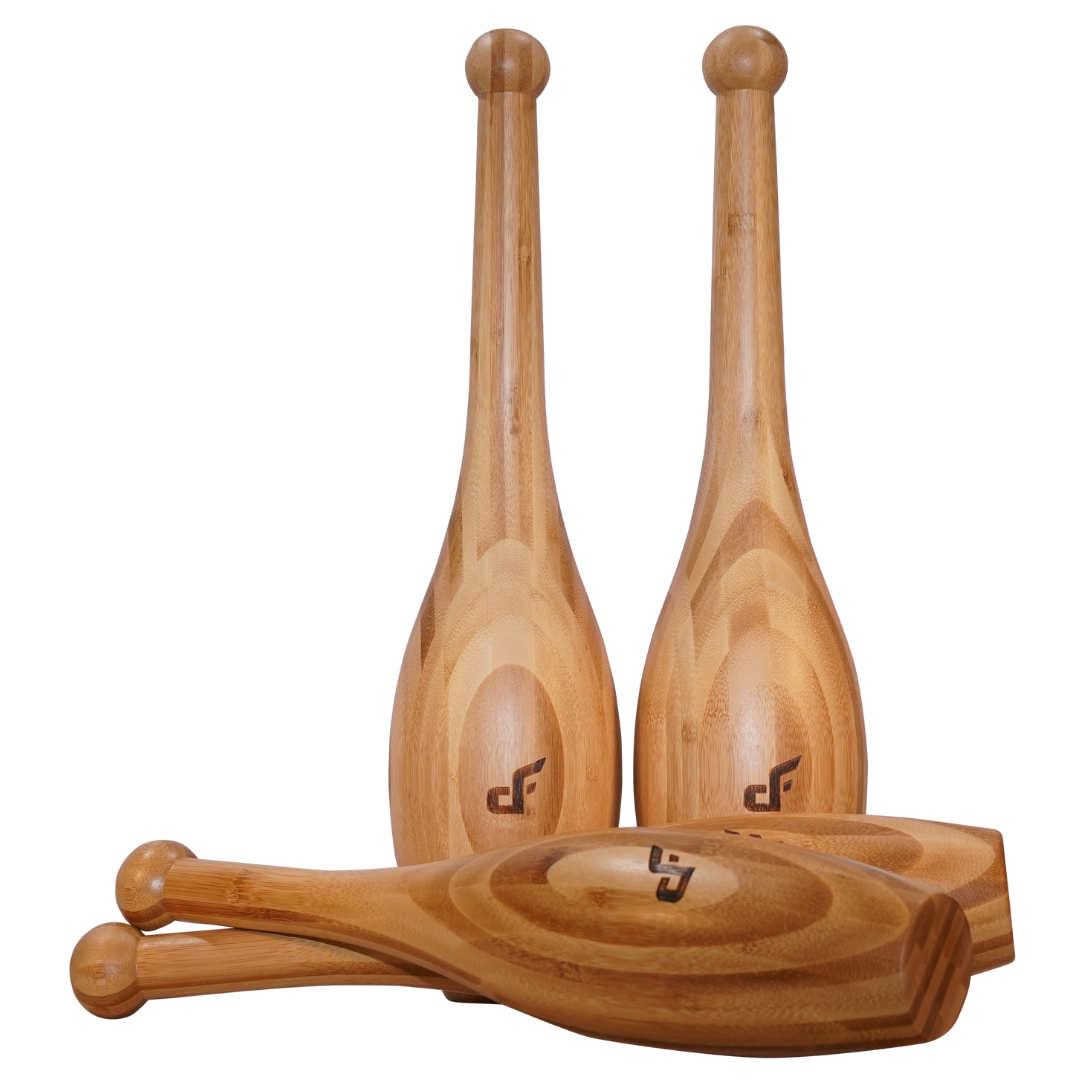
This is exactly where Indian clubs, steel clubs and maces earn their keep.
Instead of the weight travelling straight up and down, it swings in an arc around your body. Mills, shield casts, mace 360s, 10-to-2s… these teach your shoulder to produce force rotationally, which is something a bench or a machine simply can’t offer.
As that club or mace swings, the offset weight also pulls on the joint… you get compression, traction and rotational torque all shifting through the same rep. It’s a completely different stimulus.
I’m not saying clubs and maces beat barbells. They don’t replace them. They fill in what barbells leave out.
Don’t forget the upper back
Your shoulder doesn’t work in isolation from everything around it.
Mace 360s and 10-to-2s also pull the thoracic spine into rotation and extension as the weight travels behind you… which matters a lot if you spend your day hunched over a desk or a phone with your upper back rounded and shoulders rolled forward, which, let’s be honest, is most of us.
If your upper back is locked up, your shoulder ends up compensating for it.
You can stretch the joint itself all day long and never touch the actual problem sitting one segment over.
Club and mace work gets your shoulder blades, upper back and shoulders moving as one connected system instead of training each piece like it’s unrelated to the rest.
Live loads teach your shoulder to react, not just push
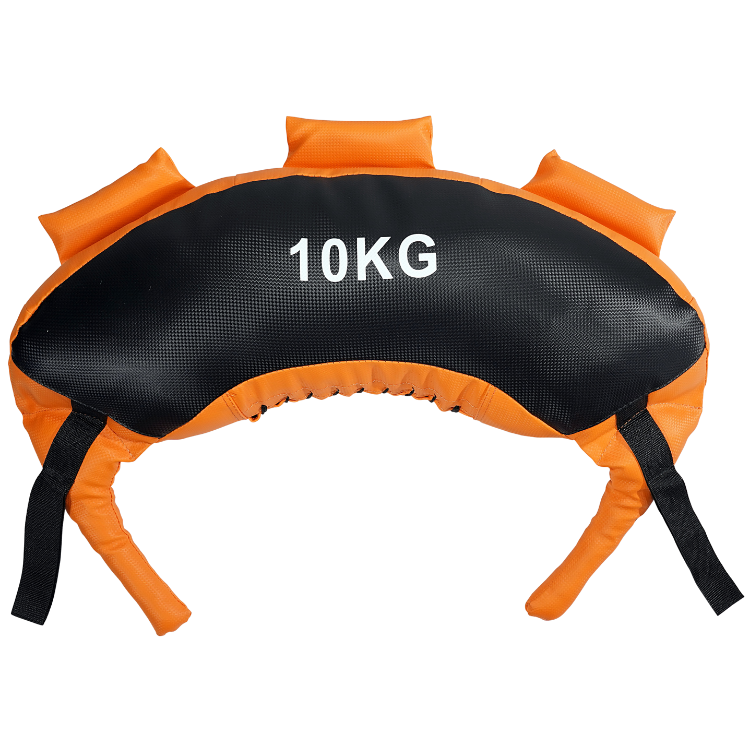
Circular movement isn’t the only gap. Live loads… water-filled implements, training bags — bring something else most gym equipment never asks of you: unpredictability.
A barbell overhead press feels basically identical every rep. Do the same press with a water-filled plate or bag and the load is shifting the entire time.
Your shoulder isn’t just producing force anymore… it’s reacting, adjusting, stabilising against something that never behaves the same way twice.
That’s still strength training. It’s just building strength in situations your usual predictable lifting never puts you in.
Clubs, maces, live loads, different tools, same principle: give your shoulder more to work with, and teach it to produce force through all of it, not just the familiar lanes.
How Indian clubs rebuilt my own shoulder
I came at all of this through my own rehab.
Years back I had a full shoulder reconstruction. First session with my physio after surgery, he asked me to do a push-up. I couldn’t get through half a rep from my knees.
I did the standard rehab… bands, isolation work, internal and external rotations. It worked, to be fair. My shoulder was getting stronger. But it felt like it was getting strong in disconnected pieces. It still didn’t move like one joint working properly.
That’s when I picked up Indian clubs.
Range came back first. Then control. Strength followed after that.
What actually surprised me was going back to normal lifting and finding I was pressing and pulling heavier than before the injury.
That’s the moment it clicked for me, I didn’t have to pick between strength and mobility. I could train both at once. I’ve built my coaching around that ever since, and I’ve seen the same turnaround in clients, and in trainers I’ve taught around the world. Same pattern, over and over.
Most people don’t need to ditch their program. They need to stop leaving out the movement qualities it never included in the first place.
Where to actually start
If your shoulders are stiff and restricted, don’t scrap what you’re already doing. Just start adding movement that takes your shoulder somewhere your current program doesn’t go and teaches you to control it once you’re there.
Indian clubs are the easiest entry point. Light, quick to learn, and they let you build circular shoulder control without needing serious load behind it yet.
You’re not chasing a heavier club. You’re chasing smoother movement and real control through a fuller range.
Once that’s solid, move up to steel clubs, maces, more demanding rotational work and layer in live loads when you want to challenge stability and reaction on top of that.
Different tools along the way. Same target the whole time: shoulders that are strong, mobile, and actually capable in every direction, not just the ones your program happened to train.
You don’t have to choose between strength and mobility. Train them together.
Start training
Grab my free Indian Clubs Beginner’s Guide for a step-by-step way into club training.
Or check out the Dangerously Fit range… Indian clubs, steel clubs, steel maces, and the rest of the functional training gear.
One thing worth saying clearly: general shoulder stiffness and an injured or painful shoulder aren’t the same thing.
If you’re in pain, feeling unstable, or coming back from surgery, talk to a qualified health professional before you change anything.