Most people assume getting stronger automatically makes them more resilient.
Train hard.
Lift heavy.
Stay consistent.
And to be fair, that does work… for a while.
But here’s what I’ve seen over and over again.
A lot of people who train consistently for years don’t just get stronger.
They also start to break down.
Tight shoulders.
Restricted hips.
Niggly joints that never quite feel right.
So what’s going on?
It’s not usually because people are training badly.
It’s because of how most training is structured.
Think about the majority of exercises people do in the gym.
• Squats.
• Deadlifts.
• Presses.
• Rows.
Most of it is:
• Linear.
• Bilateral.
• And compression dominant.
You’re producing force in very predictable patterns.
And there’s nothing wrong with that.
That’s how we build strength.
But when all of your training happens in those patterns, something else slowly starts to disappear.
Range.
Control.
The ability to move freely through different positions.
Over time, the body becomes very good at producing force…
But not very good at managing it.
And that’s when problems start to show up.
Because strength on its own doesn’t create durability.
Durability comes from having:
- Range to move
- Control to stabilise
- And strength to apply force
When those three things are in balance, the body holds up.
When they’re not, the body starts to break down.
The fix isn’t complicated.
But it does require thinking about training slightly differently.
I’ll show you next week.
Dan
Dangerously Fit
PS: Next week I’ll introduce a simple framework that explains exactly why this happens and how to start fixing it.
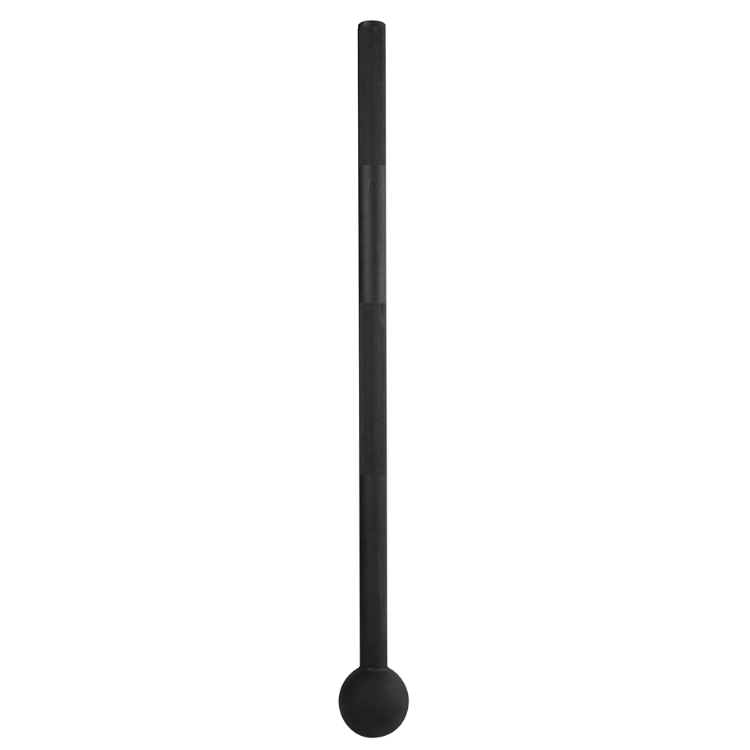
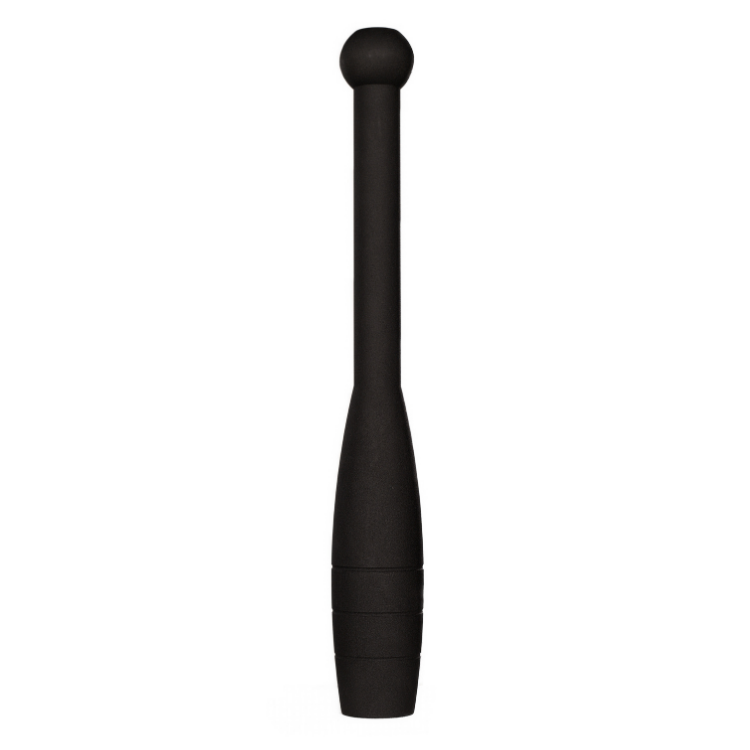
It’s also why tools like clubs and maces have become such an important part of my own training and the programs I write for clients, they solve a problem most gym equipment simply wasn’t designed to address.