The 3 Things Your Training Needs (But Probably Isn’t Getting)
Last week I spoke about why a lot of lifters end up strong… but restricted.
It’s not because they’re training badly.
It’s because something important is missing.
Here’s the simplest way to understand it.
Durability isn’t built from strength alone.
It comes from three things working together:
Range.
Control
Force.
Most training overemphasises one of these.
Force.
Lifting heavier. More time under tension. Getting stronger.
And that works… up to a point.
But when range and control aren’t developed alongside it, the system becomes unbalanced.
You end up with:
Strength in limited positions.
Control that can’t keep up with load.
And movement that becomes more restricted over time.
That’s when the problems start showing up.
Tight shoulders.
Limited mobility.
Niggling injuries.
Not because the body is weak… But because it’s strong in a very narrow way.
Here’s how to think about each one.
Range is your ability to move through full range of motion. Without it, movement becomes restricted, and restricted movement under load becomes a problem.
Control is your ability to stabilise and organise movement. Not just reach a position, but manage what happens when you get there.
Force is your ability to apply strength through movement. Strength is the potential. Force is the action.
When all three are developed together, something shifts.
You have greater range of motion.
Movement becomes smoother.
You feel more stable under load.
That’s what durability looks like.
Not just strength…
But strength that holds up unilaterally, across multiple planes, and under unpredictable loads.
Most people don’t train this way.
Not because they don’t want to.
But because most training isn’t designed to develop all three.
That’s where things start to get interesting.
I’ll explain that next week.
Dan
Dangerously Fit
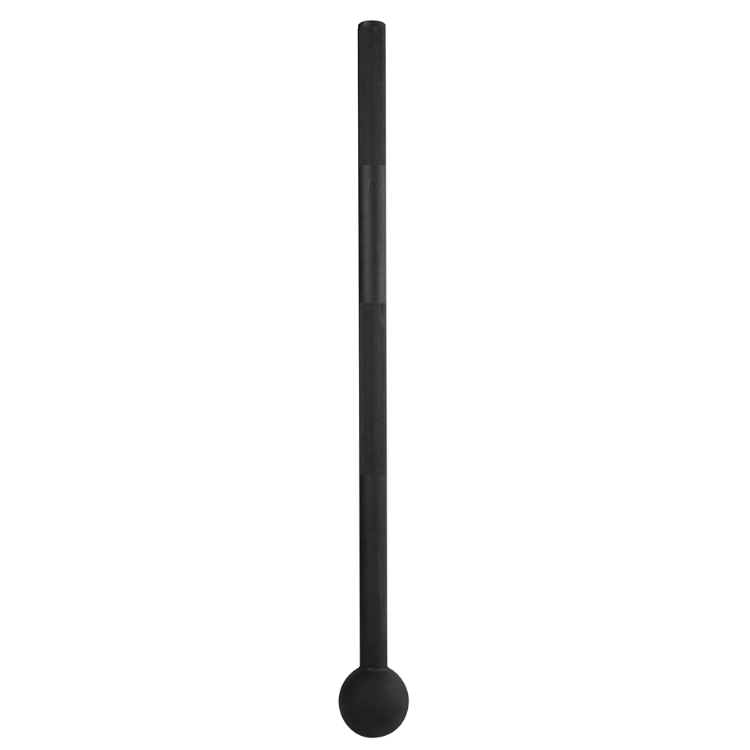
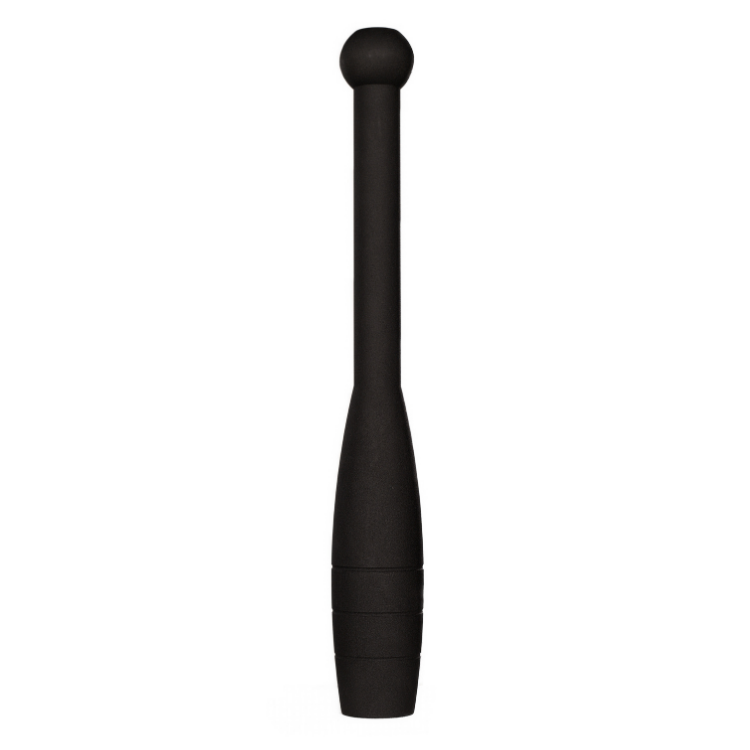
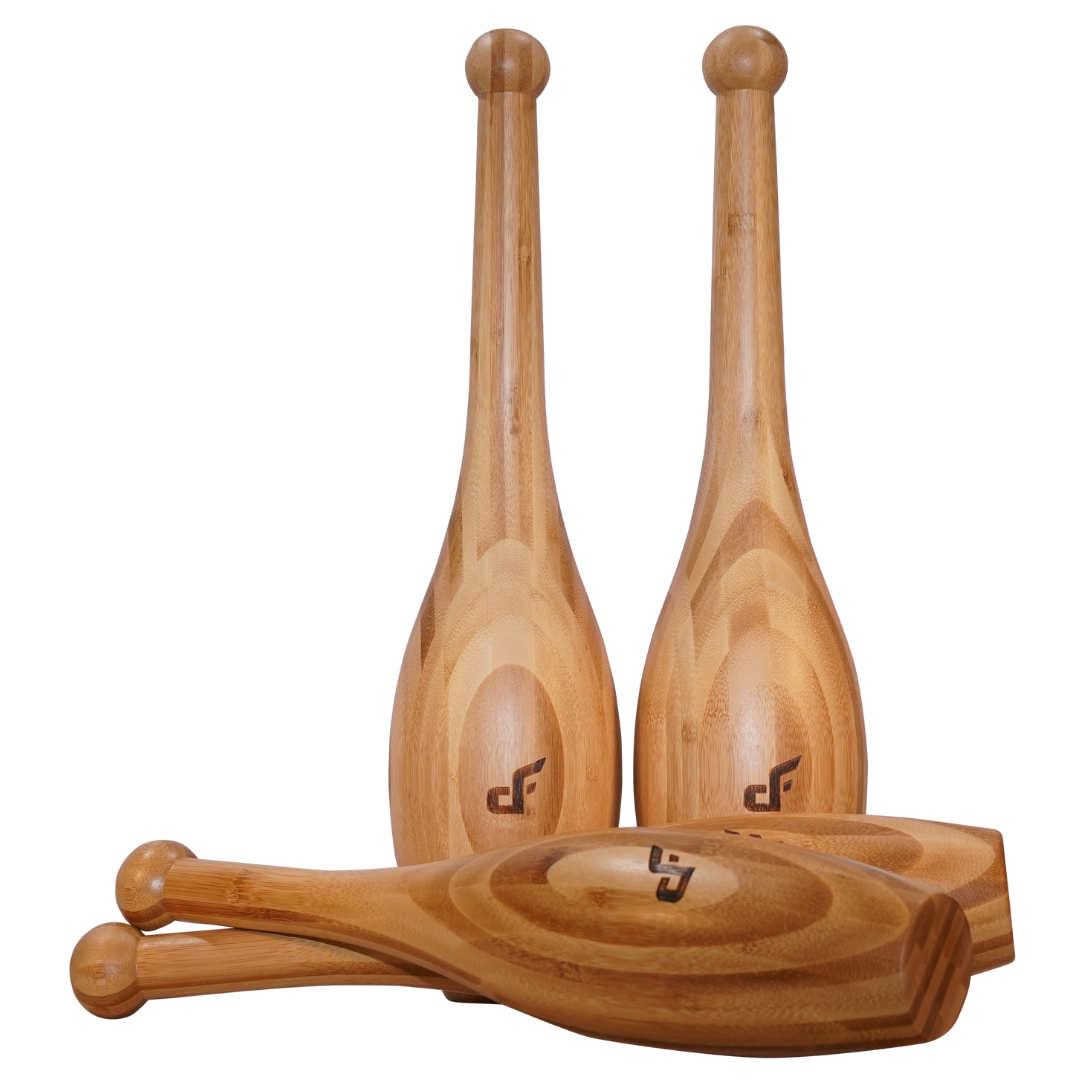
PS: This is the exact framework I use when programming for clients and it’s why tools like clubs and maces have become such a central part of how I train and coach.
They naturally develop range, control, and force together. Which is why they’re so effective for building durable shoulders.
More on that soon.