Wooden Indian clubs versus plastic Indian clubs, which ones should you buy?
Well, plastic clubs, they’re cheaper, easy to find, and they can be a decent way to get started.
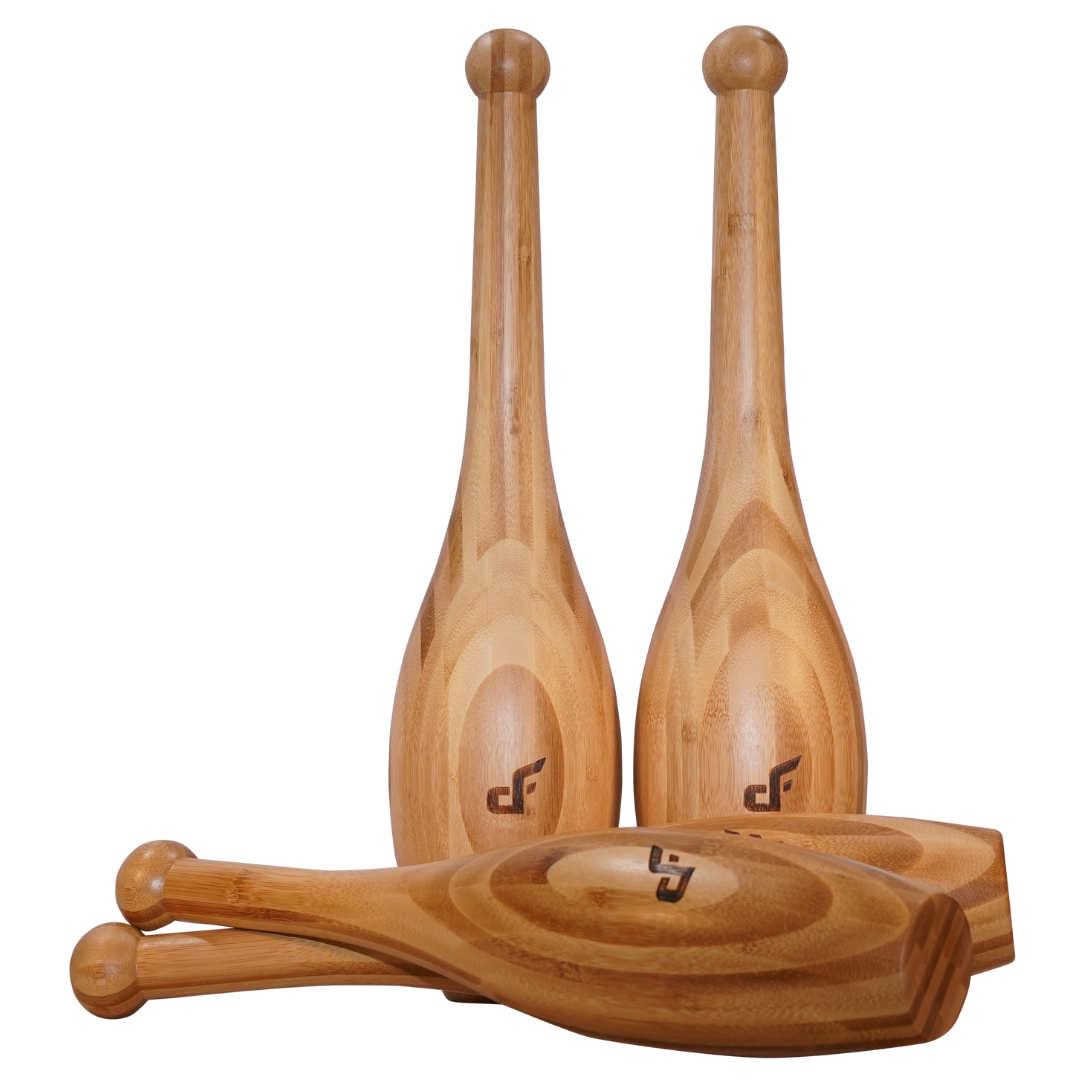
But, if you’re planning on training with Indian clubs for the long term, there are a few reasons why I personally prefer wood.
Quick disclaimer, we do sell these wooden Indian clubs at Dangerously Fit.
And the reason we sell the wooden clubs is because that’s what I prefer to train with myself.
I’ve trained with both wood and plastic, and for me, I just prefer the way they feel in the hand and when they swing.
That’s not to say plastic clubs are bad, and in fact, there are a few situations where buying plastic clubs can make sense.
So, I’m going to look at the pros and cons of both.
Plastic’s biggest advantage is price. They’re mass-produced and far cheaper material to produce than wood, so they’re cheaper than buying a pair of hand-turned wooden clubs.
So, if you’re completely new to Indian club training, and you’re not too sure if it’s for you, then grabbing a cheap pair of plastic Indian clubs is a perfectly good way to test the waters.
Try them, learn some basic swings, and see whether Indian club training is something that you actually want to continue with. Another advantage of plastic is consistency.
Wood is a natural material, so its density can vary. That means two wooden clubs made to the same dimensions can potentially have small differences in weight.
Plastic clubs can generally be manufactured more uniformly, and they’re less likely to get knocks and scratches. Although, I don’t mind my clubs having a few workout scars and a little bit of character.
That’s really where plastic’s advantage begins and ends for me. Personally, the plastic clubs I’ve tried just felt a little bit cheap in the hands.
Where I think wooden clubs really separate themselves is feel. For me, plastic clubs just felt a little bit cheap in the hand, almost dead.
Whereas, wood has this alive quality moving through that swing.
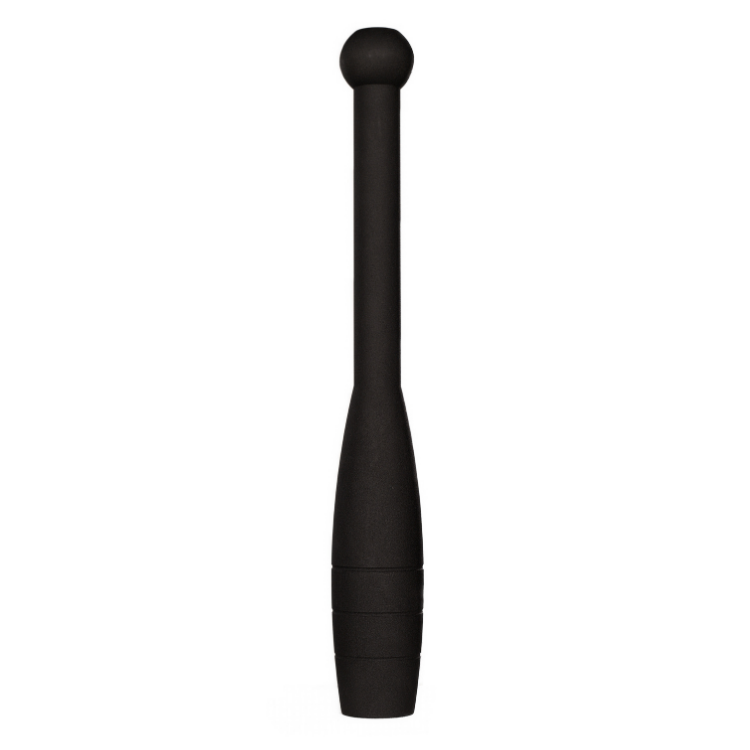
My plastic clubs are also shorter than the wooden clubs I normally train with, and I just didn’t find that they swung as nicely.
To give you an idea, these are both 2-lb clubs.
This is the plastic one, and this is the wooden one. And as you can see, straight away there’s a difference in the length and overall shape.
I wouldn’t say every wooden club automatically swings better than every plastic club. But when you compare a well-designed traditional wooden club with some of the cheaper plastic options, I personally prefer the feel of wood.
And then there’s tradition. So, Indian clubs have traditionally been made from wood, and a proper wooden club just feels like the right tool for the job.
And because you’re constantly changing your grip, letting that club roll through your fingers as the handle turns, how that wood feels against your hand matters more than it would with something like a dumbbell.
So, wood or plastic?
Well, if you’re brand new to Indian club training, you’re on a tight budget, and you just don’t know whether it’s going to be for you, a cheap pair of plastic clubs might be the best fit for you.
But, if you already know this is something that you might want to be building into your training program for the long term, I’d go straight to a good pair of wooden Indian clubs.
For me, they feel better in the hands, and I prefer the way they swing. I like the traditional design, and they’re pretty cool to look at as well.
And whether you choose wood or plastic, remember not to start too heavy. Start light, learn the movements, and develop the speed, rhythm, and coordination first.