Hey guys,
Dan here from Dangerously Fit.
Are you stuck on the same heavy club weight?
You’re training consistently.
Showing up.
Putting the reps in.
But you’re not progressing.
That plateau is frustrating.
Here’s the truth…
Most people don’t stall because they aren’t working hard enough.
They stall because they’re progressing the wrong way.
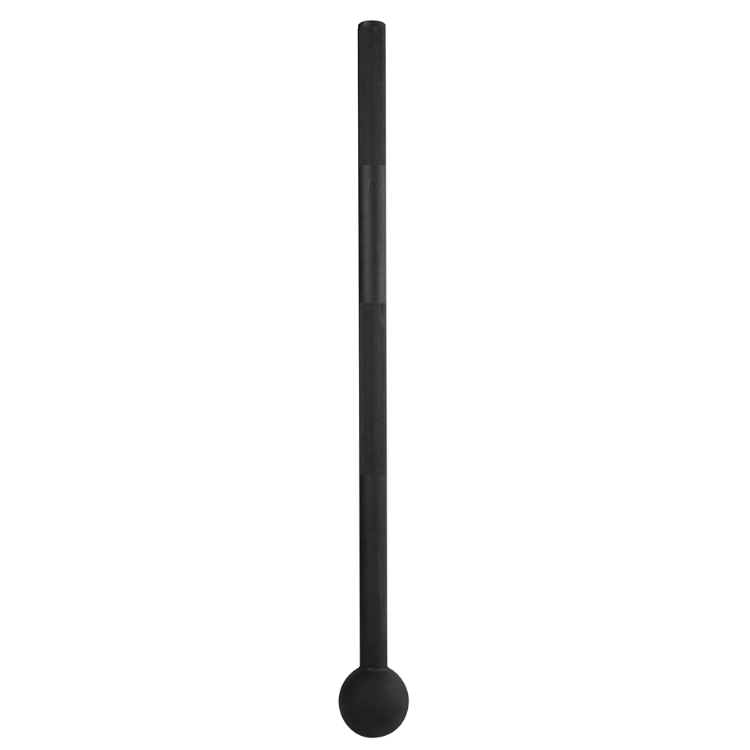
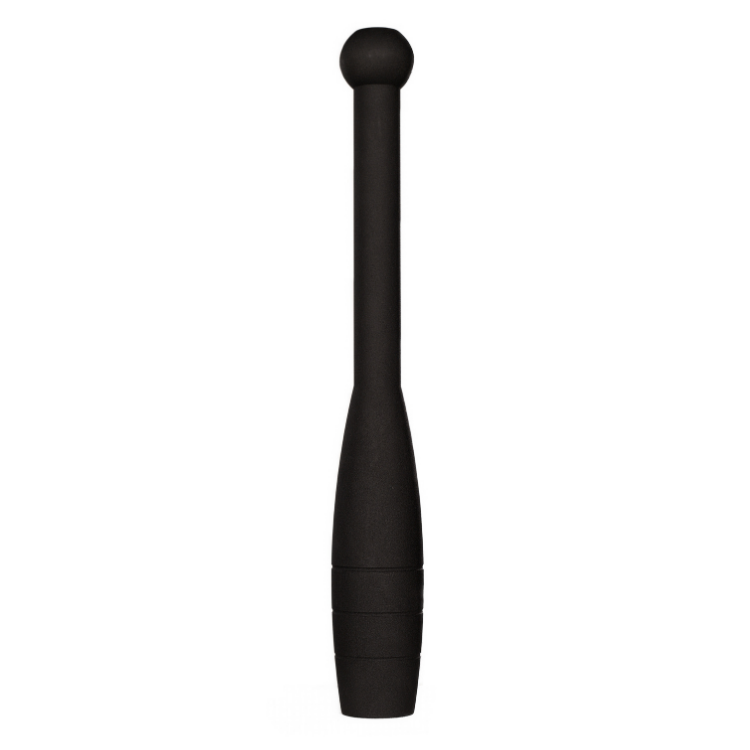
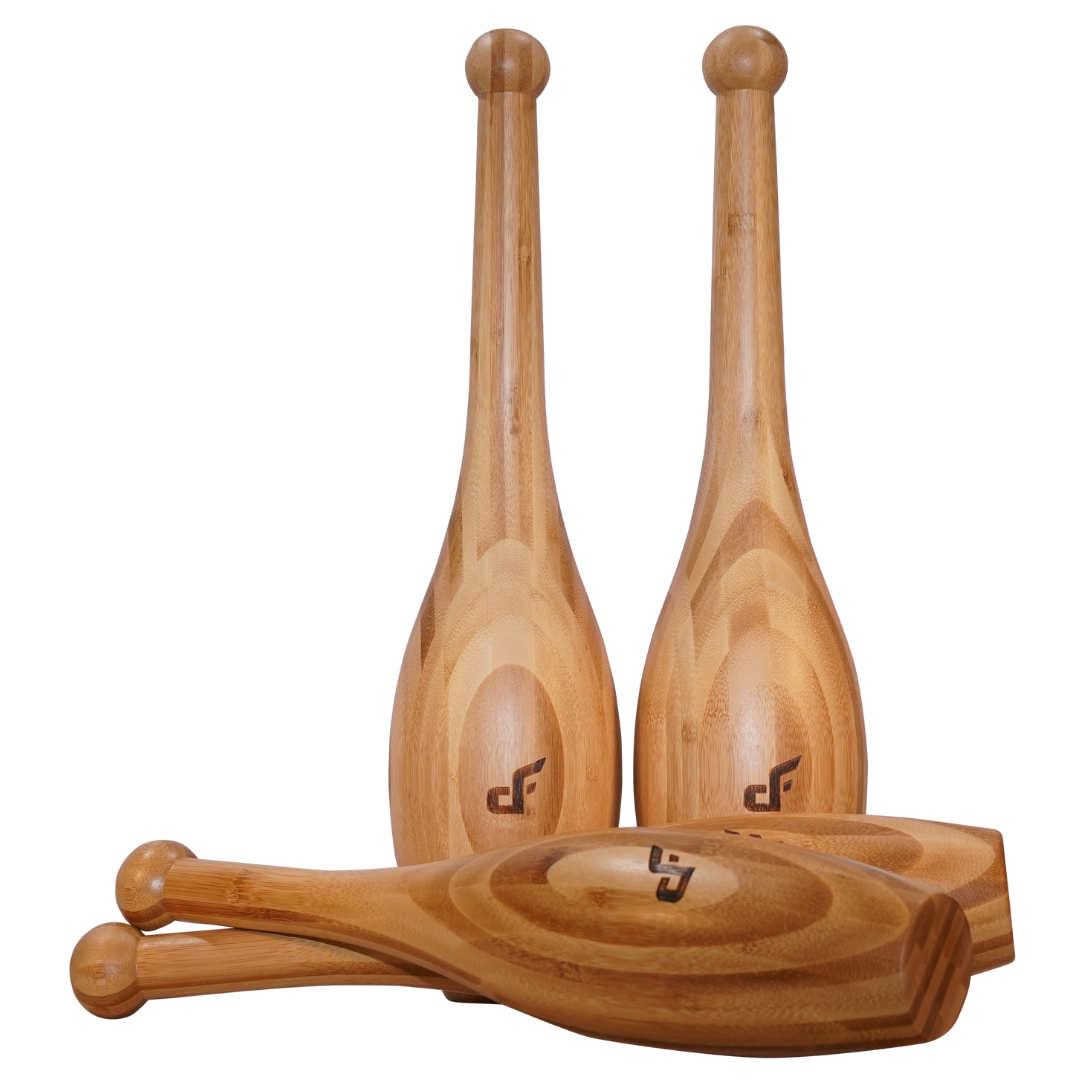
In this week’s video, I break down five structured progressions I use with clients and in my own training to build real strength, control, and resilience with heavy clubs.
These aren’t random tips.
They’re principles.
And applied correctly, they change everything.
There are two main types of exercise progressions.
The first is movement-based progression, which is when you change how an exercise is performed… things like altering your base of support, range of motion, speed, or plane of movement.
The second is load-based progression, which is when you change how much resistance you’re working against — in other words, gradually increasing the weight while maintaining good control and technique.
Both are essential for continual improvement and can be used together to build strength, skill, and resilience over time.
1️⃣ Reduce the Base of Support
When you’re first getting into club training, I recommend starting with two-handed movements.
That’s because both hands share the load and provide extra stability to control the leverage of the club.
Once you get comfortable handling the leverage and timing, you can reduce your base of support by removing one hand… moving from two-handed to single-arm exercises.
2️⃣ Increase the Range of Motion
The second way to progress your club training is by increasing the range of motion.
Now, this principle applies to all types of training — not just clubs. For example, in a squat, you could do a half squat or take it all the way down into a full squat.
Same thing with push-ups — a half push-up is easier, but if you want to make it more challenging, go all the way down and work through that full range.
When it comes to club training, increasing range of motion is about making sure you’re not cutting corners on your technique.
3️⃣ Speed of Movement
The third way you can progress your club training is by increasing the speed of movement.
When you move faster, you give yourself less time to react, which increases the demand on your balance, coordination, and stability.
For example, if you take a simple forward lunge and turn it into a jump lunge, that extra speed makes the movement far more explosive — and you’ve got a lot less time to correct any small errors in form or balance.
The same principle applies to club training. When you’re working with a club — especially a heavy one — you’ve got a long lever moving through space.
If you start speeding up the movement, you have less time to react and control the club’s momentum, which massively challenges your nervous system and coordination.
That’s why I always tell beginners to start slow with a light club and really focus on mastering the technique first.
Once you’ve built that foundation and your timing’s on point, then you can gradually increase the speed to make it more explosive and athletic.
4️⃣ Planes of Movement
The fourth way to progress your club training is by changing the plane of movement.
We start most exercises in a linear fashion, which means working in the sagittal plane — that’s front to back, or up and down.
So let’s take a basic exercise like the swing. You’d begin with a sagittal swing, moving the club forward and back — nice and controlled.
Once you’ve got good technique there, you can take that same movement and shift it into the frontal plane, which is side to side.
So instead of swinging forward and back, now you’re performing lateral swings, challenging your balance and stability in a completely different direction.
Then once you’re comfortable in the frontal plane, you can take it even further into the transverse plane, which is rotational.
That’s where you’re adding twist and rotation through the hips and core — the rotational swing — which ties everything together and gives you full 360° strength and control.
So you’re progressing that one exercise — the swing — from sagittal, to frontal, to transverse, adding complexity and coordination with each level.
5️⃣ Increasing Load
The fifth and final way to progress your club training is by increasing the load.
Now, this one’s pretty straightforward — but it’s still one of the most effective.
You can simply increase the club’s weight over time, as long as you’re maintaining good technique and control.
For example, if you’re using fixed steel clubs, you might start with a 2-kilo, move up to a 4-kilo, then maybe a 5- or 10-pound club as you get stronger and more confident.
What I really like about the Maverick Club Pros I’m using here is that you can fractionally load them.
Some of the plates are really small, so you can micro-load your progressions — just add a tiny plate each week.
Those small, incremental changes might not feel like much in the short term, but over time they add up massively and keep you progressing safely and consistently.