Put a 12kg / 26.5lb steel club next to a 12kg / 26.5lb Bulava and start swinging, and you’ll notice the difference straight away.
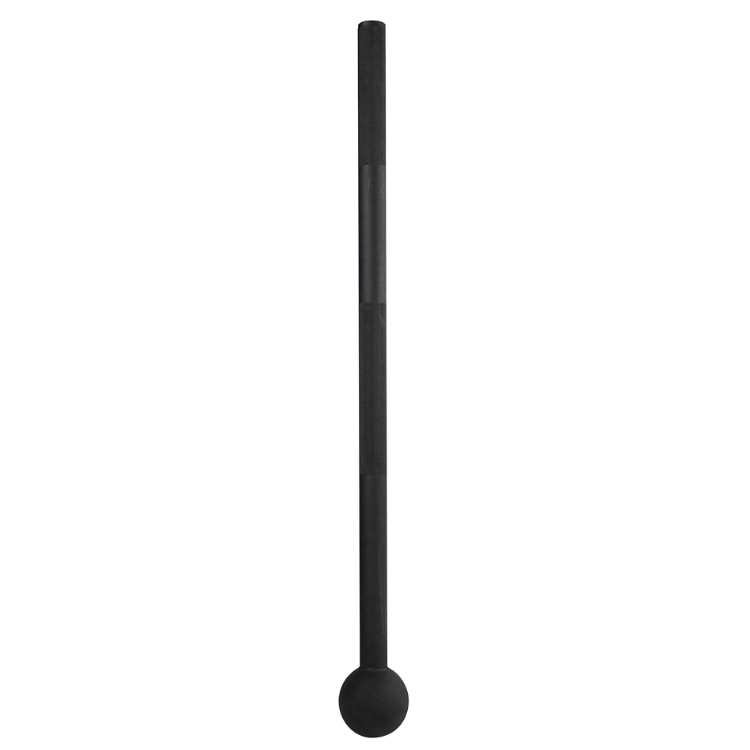
A Bulava (sometimes called a mace club) is basically a mace with a shorter handle.
It sits somewhere between a traditional steel club and a full-length steel mace.
Same weight on the scale, but the two feel completely different in the hands.
How they’re built
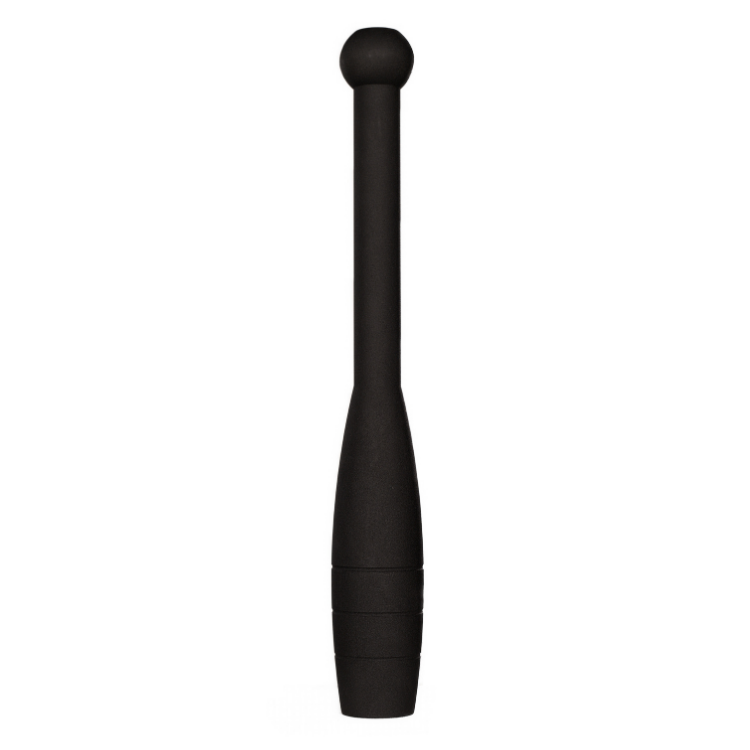
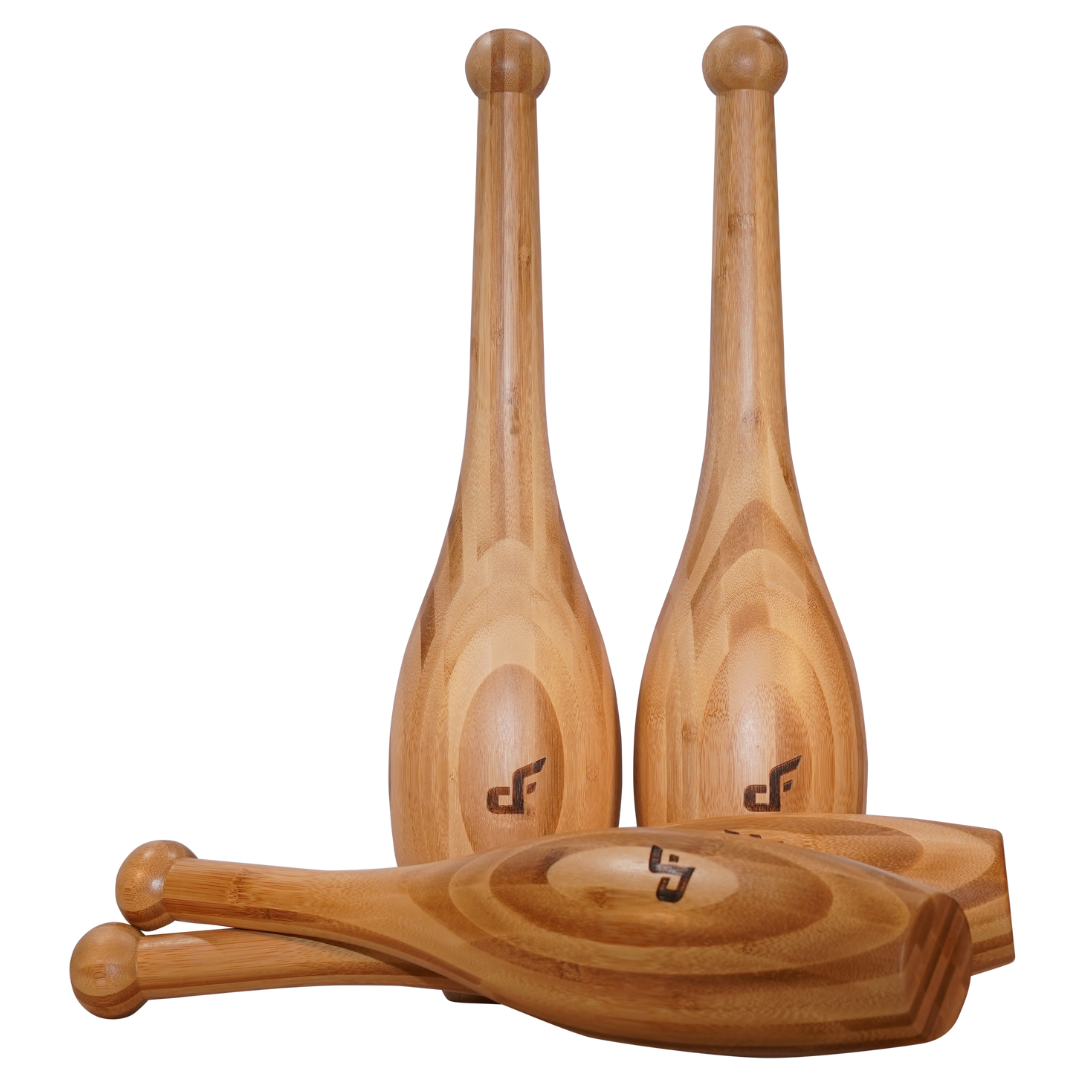
A steel club is shaped a bit like a baseball bat. The weight runs along an elongated barrel, so the centre of mass sits closer to your hand.
A Bulava is built like a mace. The handle weighs very little and most of the load sits in the head at the end, a long way from your hand. It’s much more bottom-heavy.
That one difference explains almost everything below.
Steel clubs
Because the weight is spread along the barrel, a steel club is easy to accelerate and slow down. Mills, Swipes, Arm Casts, Side Cleans and chopping patterns all move with a quick, explosive rhythm. You’re constantly speeding the club up, braking it and changing direction, so you get strength, shoulder mobility and a decent conditioning hit in the same session.
The slimmer profile also sits cleanly around the shoulder.
There’s no big head travelling over the top, which makes Arm Casts and Swipes easier to perform. I also prefer steel clubs for the Flag Press and Iron Cross, where the extra handle length of a Bulava makes the stabilisation much harder. You can do them with a Bulava, they just feel very different.
If I’m doing single-arm work or doubles, I reach for steel clubs.
Bulavas
With the mass out at the end of a longer handle, a Bulava is harder to control through the swing, so a 12kg Bulava feels a lot heavier than a 12kg steel club.
Take a Mill. The steel club moves quickly and feels balanced. The Bulava moves slower, but the rotational force you have to manage goes way up. The bottom of the swing is brutal on your grip.
The longer handle also gives both hands room, which makes two-handed exercises feel smooth. A regular steel club is a bit short for that unless it’s very heavy.
Doubles with Bulavas are possible, but heavy ones are tough. You’re controlling two long levers with the weight out in the heads, and a small mistake pulls you out of position. If doubles are a big part of your program, I’d go steel clubs.
Where the Bulava sits next to a mace
A full-length steel mace gives you even more leverage, which is great for big two-handed work like the 360 and 10-to-2. But all that handle gets in the way of tighter lateral movements below the waist.
The Bulava shortens the lever enough that you can still swing it like a club while keeping mace-style loading. If you’ve been stuck choosing between a club and a mace, it’s a very useful middle ground.
Don’t buy the same weight
If you’re moving from steel clubs to Bulavas, don’t assume your usual weight will carry across. As a rough rule of thumb, if you’re comfortable with a 20lb steel club, I’d start around a 15lb Bulava.
Handle length and head size vary between makers, so treat that as a starting point, not a fixed conversion.
Start lighter than you think you need, learn how it moves, then add load.
Quick comparison
| Steel club | Bulava | |
|---|---|---|
| Balance | Weight along the barrel | Weight in the head |
| Feel | Fast, smooth, explosive | Slower, heavier, more torque |
| Best for | Single-arm work, doubles, shoulder-specific training | Two-handed swings, heavier rotational work |
| Starting weight | Your usual | Roughly 25% lighter |
Which should you choose?
If you want speed, single-arm work and doubles, go steel club. If you want two-handed swinging and heavier rotational work, or a bridge between club and mace training, go Bulava.
I like both. The steel club is still my go-to for speed and explosive single-arm work. The Bulava is what I pick up when I want heavier two-handed swinging with mace-style loading and club-style versatility.